
Your Homeowner's Guide to Preventing Lake Effect Snow Damage
If you're a Clevelander, you know that winter here is no joke. The words "lake effect snow" mean more than just a picturesque dusting—they mean heavy, wet snow that can pile up fast and put a serious strain on our homes. While we love the beauty of a winter in The Land, that unique weather phenomenon rolling off Lake Erie poses a significant threat to one of your home's most important assets: your roof. The sheer weight of the snow, combined with the formation of destructive ice dams, can lead to costly leaks and structural issues. But don't worry. Understanding the risks is the first step to preventing them. In this guide, we'll walk you through how to identify signs of winter roof damage, take proactive steps to protect your property, and ensure your roof is ready to handle whatever the North Coast winter throws at it.
How Lake Effect Snow Impacts Your Roof
The primary challenge with lake effect snow is its density and volume. A single cubic foot of wet, heavy snow can weigh 20 pounds or more, and when several inches accumulate, that adds up to thousands of pounds of stress on your roof's structure. This immense weight is just the beginning of the problem.
The more immediate threat for most homeowners is the formation of ice dams. Here’s how they happen:
- Heat Escapes: Warm air from your living space rises into the attic.
- Snow Melts: If your attic isn't properly insulated and ventilated, this heat warms the underside of your roof, melting the bottom layer of snow.
- Water Refreezes: The meltwater runs down your roof until it reaches the cold eaves and gutters, where it refreezes, forming a thick ridge of ice—an ice dam.
- Water Backs Up: With nowhere to go, subsequent meltwater pools behind the dam. This standing water can seep underneath your shingles, penetrating the roof deck and leaking into your attic and home.
This cycle can lead to water-stained ceilings, damaged insulation, peeling paint, and even rot in your roof's framework. It's a silent but serious problem that can cause thousands in damages if left unchecked.
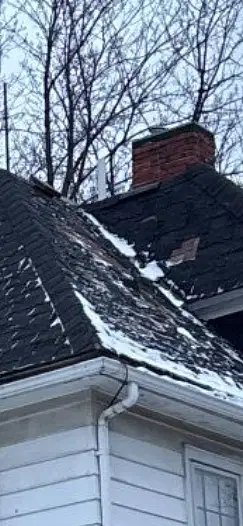
Key Signs of Winter Roof Damage
Being proactive means knowing what to look for. Some signs of winter damage are obvious, while others are more subtle. Keep an eye out for these red flags both inside and outside your home.
Inside Your Home:
- Ceiling and Wall Stains: Look for yellowish or brownish discoloration on your ceilings, especially in the corners where the ceiling meets an exterior wall. This is a classic sign of a leak.
- Peeling Paint: Moisture seeping into your walls can cause paint to bubble or peel near the roofline.
- Dampness in the Attic: After a heavy snow or thaw, safely check your attic for any signs of moisture, damp insulation, or a musty smell.
Outside Your Home:
- Visible Ice Dams: A ridge of ice along the edge of your roof is the most obvious sign you have a problem with heat loss and drainage.
- Excessive Icicles: While small icicles are normal, an abundance of large ones, particularly in one area, often indicates that water is spilling over an ice dam.
- Damaged Gutters: The weight of ice can cause gutters to bend, sag, or pull away from the house.
- Missing or Damaged Shingles: Once the snow melts, do a visual inspection from the ground. High winds and ice can lift, crack, or tear shingles away, leaving your roof vulnerable.
If you notice any of these issues, it's crucial to address them quickly to prevent minor problems from becoming major repairs.
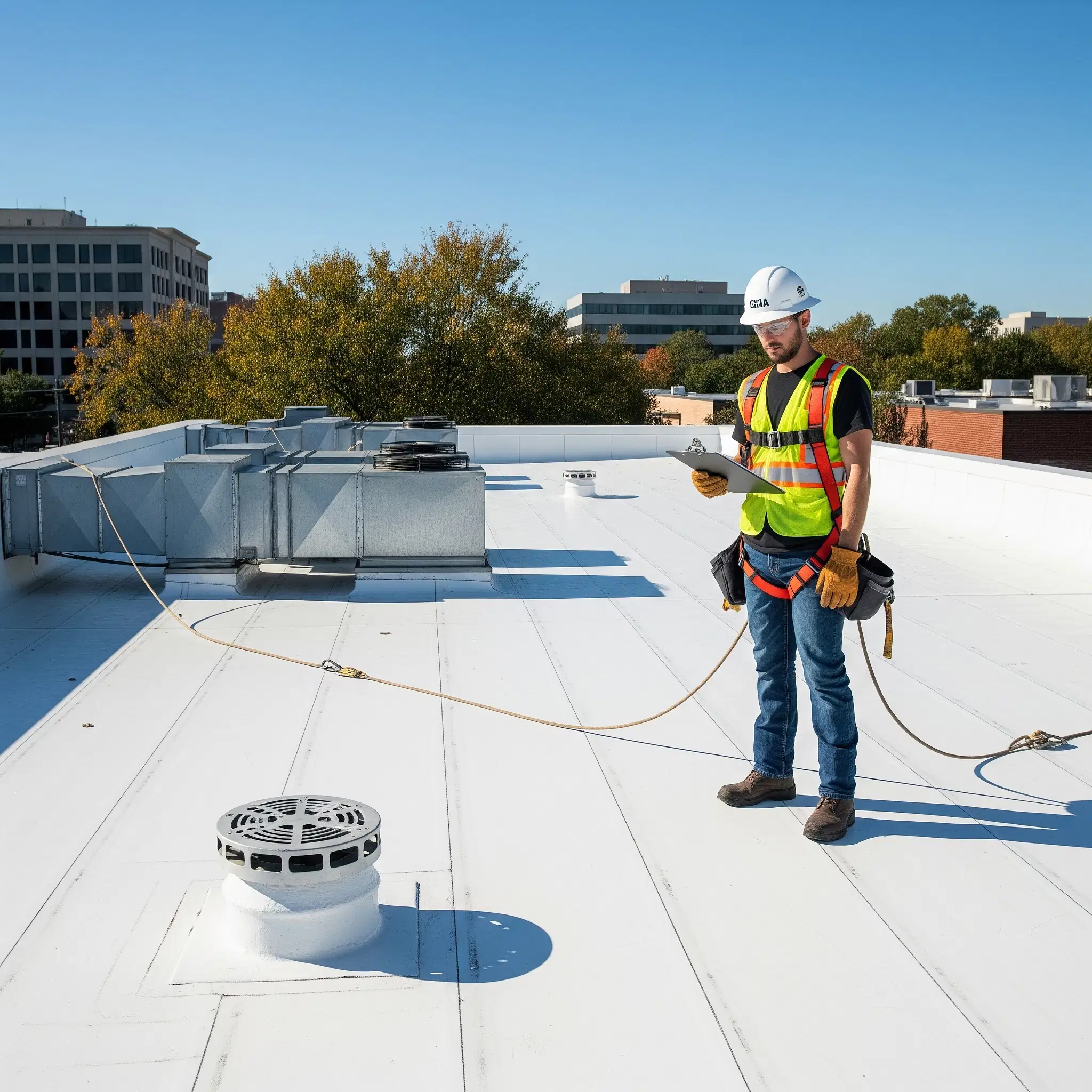
The Best Defense: A Complete and Properly Installed Roofing System
Preventing winter damage isn't just about reacting to problems—it's about having a roof designed to withstand our harsh weather from the start. A modern, high-quality roofing system is your home's best defense. It’s more than just the shingles you see from the street; it’s a combination of components working together.
At Best Choice Roofing Cleveland, we focus on installing complete roofing systems from trusted manufacturers like GAF and Owens Corning. Here are the critical elements for winter-proofing your roof:
-
Proper Attic Insulation & Ventilation: This is the number one defense against ice dams. A well-insulated attic floor prevents heat from escaping and warming the roof deck. Paired with proper ventilation (like soffit and ridge vents), it keeps the attic air cold and dry, allowing the roof to remain at a consistent temperature.
-
Ice & Water Shield: This is a specialized, self-sealing waterproof membrane installed along the most vulnerable areas of your roof—the eaves, valleys, and around chimneys or skylights. It acts as a final line of defense, preventing water from an ice dam from reaching your roof deck.
-
High-Quality Shingles: Modern architectural shingles, like those from Owens Corning, are rated to withstand winds up to 130 MPH. They are designed for durability and can better resist the stress of freeze-thaw cycles. A full residential roof replacement with these materials ensures long-term protection.
-
Clean and Secure Gutters: Before winter hits, ensure your gutters are free of leaves and debris. This allows meltwater to drain freely instead of backing up and freezing at the roof's edge.
Don't Wait for a Leak—Be Proactive
Lake effect snow is a reality of life in Northeast Ohio, but roof damage doesn't have to be. By understanding the risks and ensuring your home is equipped with a robust, properly installed roofing system, you can have peace of mind all winter long. If you've noticed signs of damage or are concerned about your roof's ability to handle another tough season, it's time to take action.
Our team at Best Choice Roofing Cleveland is here to help. We offer free, no-obligation inspections to assess your roof's condition and identify any potential vulnerabilities. Whether you need a simple residential roof repair or are dealing with more significant issues requiring storm damage restoration, we have the local expertise to protect your home. Contact us today to schedule your inspection and ensure your roof is ready for winter.