
Your Guide to Preparing Your Roof for North Coast Storms
Living here on the North Coast, we know that the weather can turn on a dime. From gusty spring winds whipping off the lake to the heavy lake effect snow that defines our winters, our homes have to endure a lot. For many Cleveland homeowners, the biggest concern during a storm isn't the thunder—it's the uncertainty about whether their roof is ready to handle it. A small vulnerability can quickly become a major headache, leading to leaks, property damage, and costly repairs.
At Cannon Exteriors, we believe the best defense is a good offense. As a local, veteran-run business, we're committed to protecting our neighbors' homes with integrity and expertise. This guide will walk you through how to proactively prepare your roof and siding for storm season, what to look for after a storm passes, and how to make informed decisions about repairs. Let's ensure your home is a safe harbor, no matter what the forecast says.
The Homeowner's Pre-Storm Inspection Checklist
Before the storm clouds gather, taking a few minutes to inspect your home's exterior can save you significant stress and expense. You don't need to be a roofing expert to spot potential trouble. Here’s a simple checklist you can follow from the safety of the ground:
- Check Your Shingles: Use binoculars to get a closer look at your roof. Are there any shingles that are cracked, curling at the edges, or missing entirely? Pay close attention to the ridges and edges of the roof, as these areas are often the first to show wear. Loose shingles are an open invitation for wind to get underneath and cause a chain reaction of damage.
- Inspect Gutters and Downspouts: Ensure your gutters are clear of leaves, twigs, and other debris. Clogged gutters can cause water to back up under the shingles, leading to rot and leaks. In the winter, this same issue can create destructive ice dams.
- Look at Your Siding: Walk around your house and look for any siding panels that are loose, cracked, or warped. High winds can easily catch a loose panel and tear it from the wall, exposing the underlying structure to moisture.
- Examine Flashing: Flashing is the metal material installed around chimneys, vents, and skylights. While it's hard to see details from the ground, look for any obvious signs of rust or lifting. Damaged flashing is one of the most common sources of hidden roof leaks.
- Trim Overhanging Branches: Large tree limbs hanging over your roof can become dangerous projectiles in high winds. Proactively trimming them back reduces the risk of impact damage during a storm.
Common Storm Damage We See in The Land
As Clevelanders, we're familiar with the unique challenges our weather presents. Understanding the specific types of damage that occur can help you identify issues quickly after a storm.
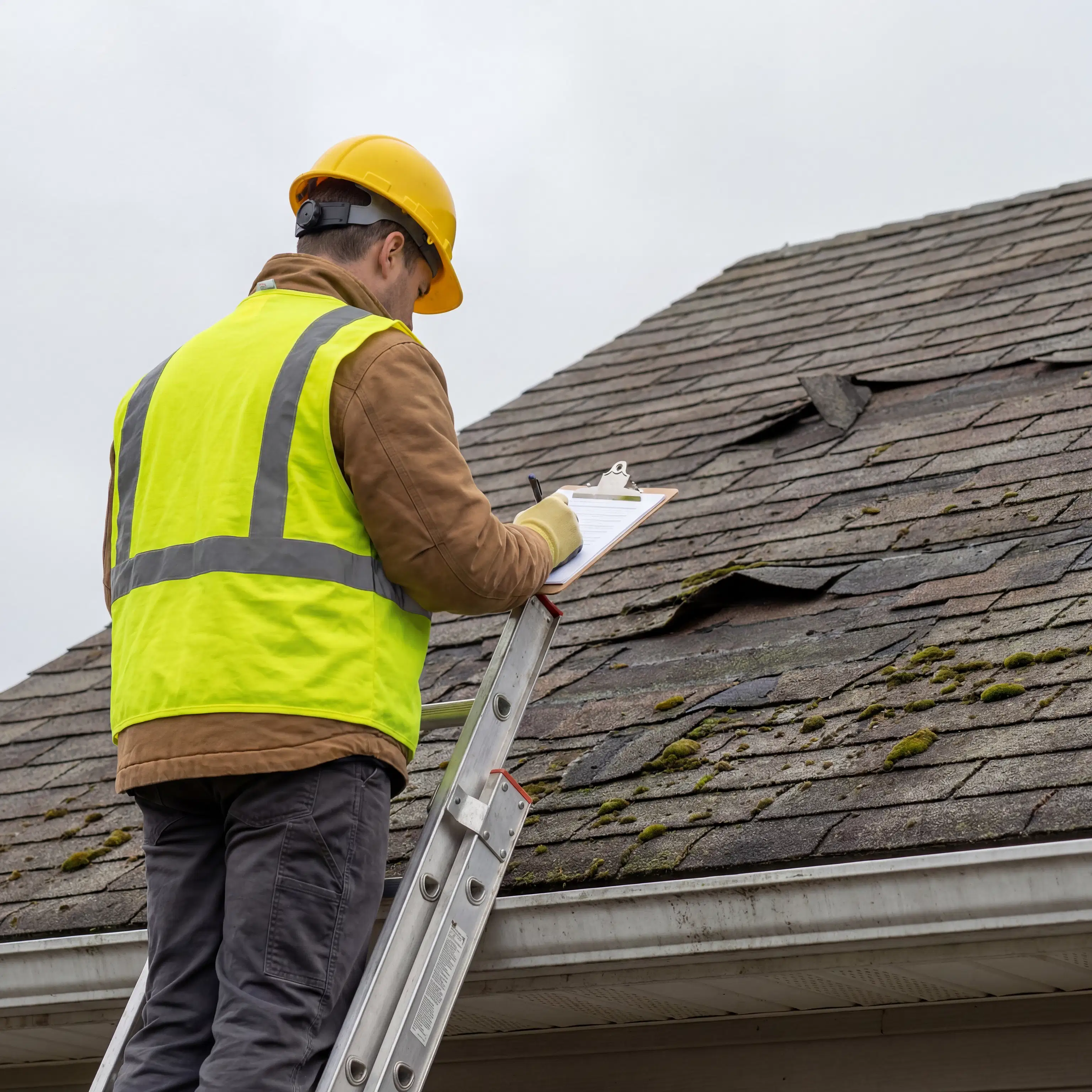
Wind Damage: This is the most frequent issue we see. Strong gusts can lift the edges of shingles, breaking the sealant that holds them down. In severe cases, shingles can be completely torn off, leaving your roof's underlayment exposed to the elements. This is a critical issue that requires immediate attention to prevent water intrusion.
Hail Damage: Hail can be incredibly destructive to both roofing and siding. On asphalt shingles, it creates dark, bruised-looking spots where the protective granules have been knocked off. On siding, it can cause cracks, chips, or holes. This damage compromises the protective surface of your home and can void manufacturer warranties if not addressed.
Hidden Leaks: The most obvious sign of a leak is a water stain on your ceiling, but damage often starts long before that. After a storm, it's wise to check your attic for any signs of moisture, damp insulation, or daylight coming through the roof deck. A professional inspection is the best way to catch these hidden issues before they escalate.
What to Do When the Storm Passes
Once the weather has cleared, it's time to assess the situation. Acting quickly can help mitigate further damage to your home. Here’s what to do:
- Safety First: Never climb on your roof, especially when it's wet or you suspect it's been damaged. A compromised roof can be unstable. Conduct your initial inspection from the ground.
- Document Everything: Walk around your property and take clear photos and videos of any visible damage to your roof, siding, and gutters. Also, look for any shingles or pieces of siding in your yard. This documentation is essential if you need to file an insurance claim.
- Schedule a Professional Inspection: Even if you don't see obvious damage, it's a good idea to have a professional look. We use specialized techniques, like drone inspections, to safely and accurately assess the condition of your entire roofing system. An expert can spot subtle signs of hail or wind damage that are easily missed by the untrained eye.
Getting a professional assessment is the most important step. It provides you with a clear understanding of your roof's condition and a reliable plan for moving forward, whether that involves a simple repair or a more comprehensive storm damage restoration.
Repair or Replace? Making the Right Call
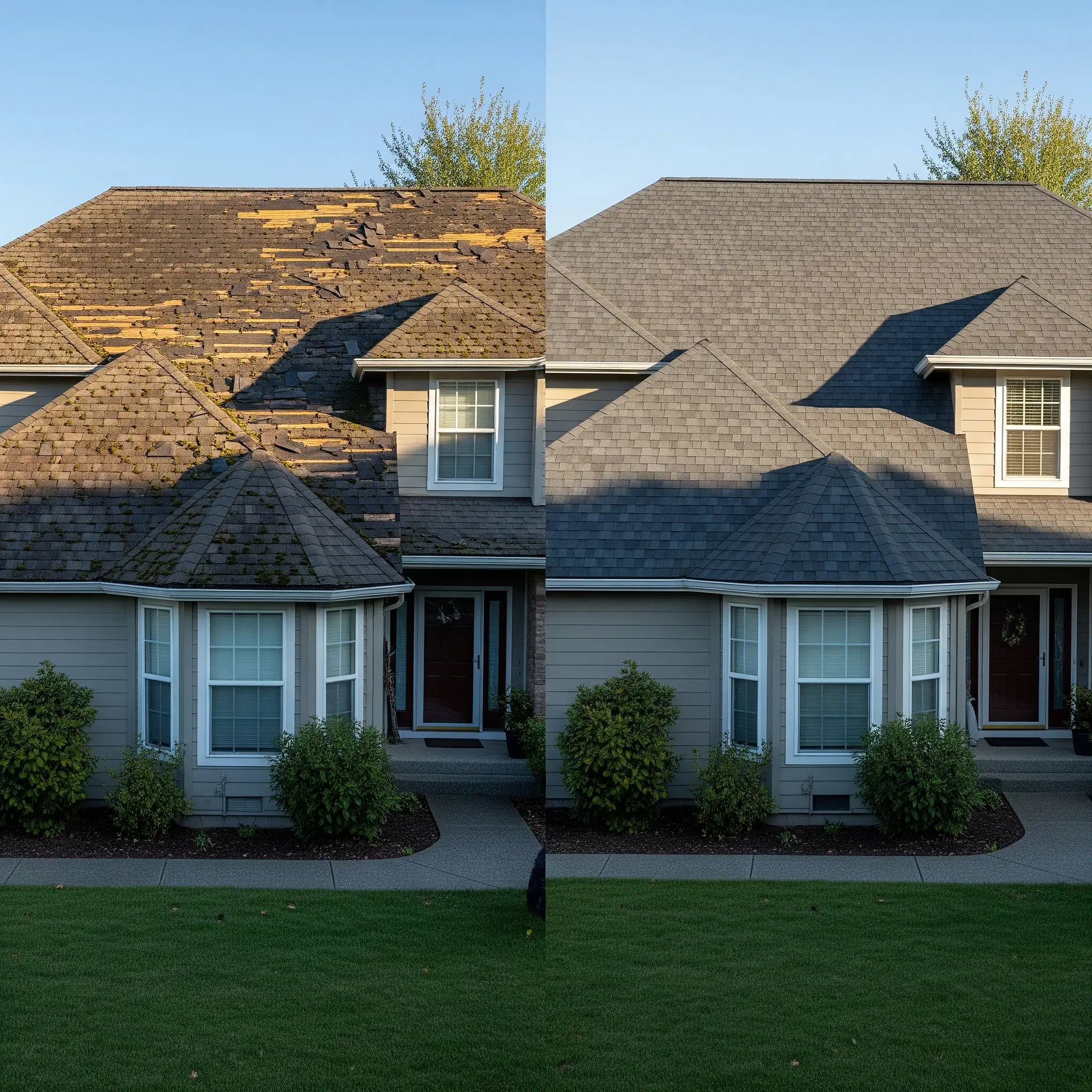
One of the most common questions we hear from homeowners is whether they need a small repair or a full roof replacement. The answer depends on a few key factors, and an honest contractor will walk you through the options.
- Age of Your Roof: If your roof is nearing the end of its expected lifespan (typically 20-25 years for asphalt shingles), a full replacement is often the more cost-effective solution in the long run, even if the damage seems isolated.
- Extent of the Damage: A few missing shingles from a recent storm on an otherwise healthy roof can usually be handled with a straightforward residential roof repair. However, if the damage is widespread across multiple sections of your roof, a replacement might be necessary to ensure its structural integrity.
- The 25% Rule: A good rule of thumb is that if more than 25-30% of your roof is damaged, a full replacement is generally recommended. Patching numerous areas can be less effective and may lead to future problems.
Our team will always provide a transparent assessment. We'll explain what we see, show you the evidence, and recommend the solution that provides the best long-term value and protection for your home.
Protect Your Home with a Trusted Local Partner
Your roof is your home's first line of defense against the elements. Being proactive before a storm and acting decisively after one passes is key to protecting your biggest investment. Don't wait for a small issue to become a major crisis.
If you're concerned about your roof's condition or have experienced recent storm damage in the Cleveland area, contact the team at Cannon Exteriors. We provide thorough, honest inspections and expert craftsmanship on every job. Whether you need a siding repair, a minor roof fix, or a full storm damage restoration, we're here to give you the peace of mind you deserve. Reach out today to schedule your free inspection.