
A Homeowner's Guide to Navigating Wind Damage Roof and Siding Claims
The powerful winds that sweep across Northeast Ohio can be unsettling, and discovering your home has been damaged in the aftermath is incredibly stressful. Missing shingles, loose siding, or worse—a leak—can leave you feeling overwhelmed and unsure of what to do next. The thought of dealing with insurance claims on top of everything else is often the biggest headache.
At Best Choice Roofing Cleveland, we understand. As a local, veteran-run business, we've helped countless homeowners through this exact situation. This guide is designed to walk you through the process of handling a wind damage claim, step by step, turning a confusing ordeal into a manageable plan. We'll cover what to do immediately after a storm, how to work with your insurance company, and why having a trusted professional on your side is crucial.
Step 1: Prioritize Safety and Document Everything
Before you do anything else, ensure the area around your home is safe. Look for downed power lines, broken glass, or unstable debris. Once you've confirmed it's safe to proceed, your next priority is documentation. This is one of the most critical steps for a successful insurance claim.
- Take Photos and Videos: Using your smartphone, capture extensive photos and videos of all the damage. Get shots from different angles and distances. Photograph the missing shingles on your roof, any pieces you find in your yard, damaged siding, and any interior leaks or water spots on your ceiling. The more evidence you have, the better.
- Prevent Further Damage: Your insurance policy likely requires you to take reasonable steps to mitigate further damage. This could mean placing a tarp over a heavily damaged section of the roof or boarding up a broken window. This is a temporary fix to prevent water from getting inside while you wait for professional storm damage restoration. Keep receipts for any materials you purchase for these temporary repairs, as they may be reimbursable.
Step 2: Contact a Professional Roofer and Your Insurance Company
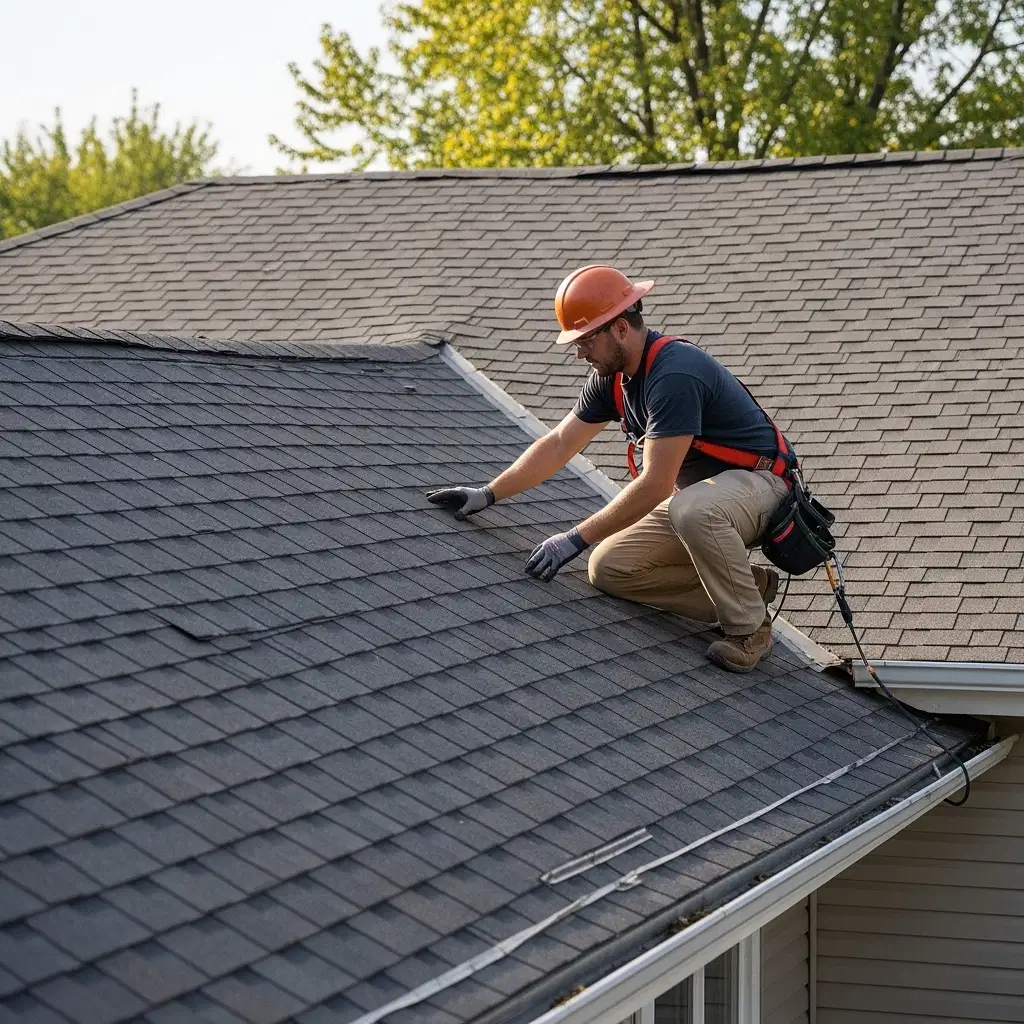
While it might seem logical to call your insurance company first, we recommend contacting a reputable local roofing contractor for an inspection beforehand. Here’s why: a trained roofer can identify all points of damage—some of which may not be obvious to an untrained eye—and provide you with a detailed assessment. This professional evaluation gives you a clear understanding of the situation before you even start the claims process.
When you do file your claim, have your policy number ready and provide the date the damage occurred. Your insurance company will assign you a claim number and an adjuster. It's important to remember that while we can guide you, provide all necessary documentation, and meet with the adjuster on your behalf, the homeowner must be the one to officially file the claim.
Having a professional assessment arms you with the information you need for a more informed conversation with your insurer. It helps ensure that the scope of work covers all necessary repairs, from a simple roof repair to a full roof replacement.
Step 3: The Adjuster Meeting and Scope of Work Review
Your insurance company will schedule a time for an adjuster to visit your property and assess the damage. We strongly advise that you have your chosen contractor present for this meeting. This is where our expertise becomes your greatest asset. We can walk the property with the adjuster, point out the specific damage we identified, and ensure nothing is overlooked. We speak the same language as the adjuster and can discuss the proper methods and materials required to bring your home back to its pre-storm condition.
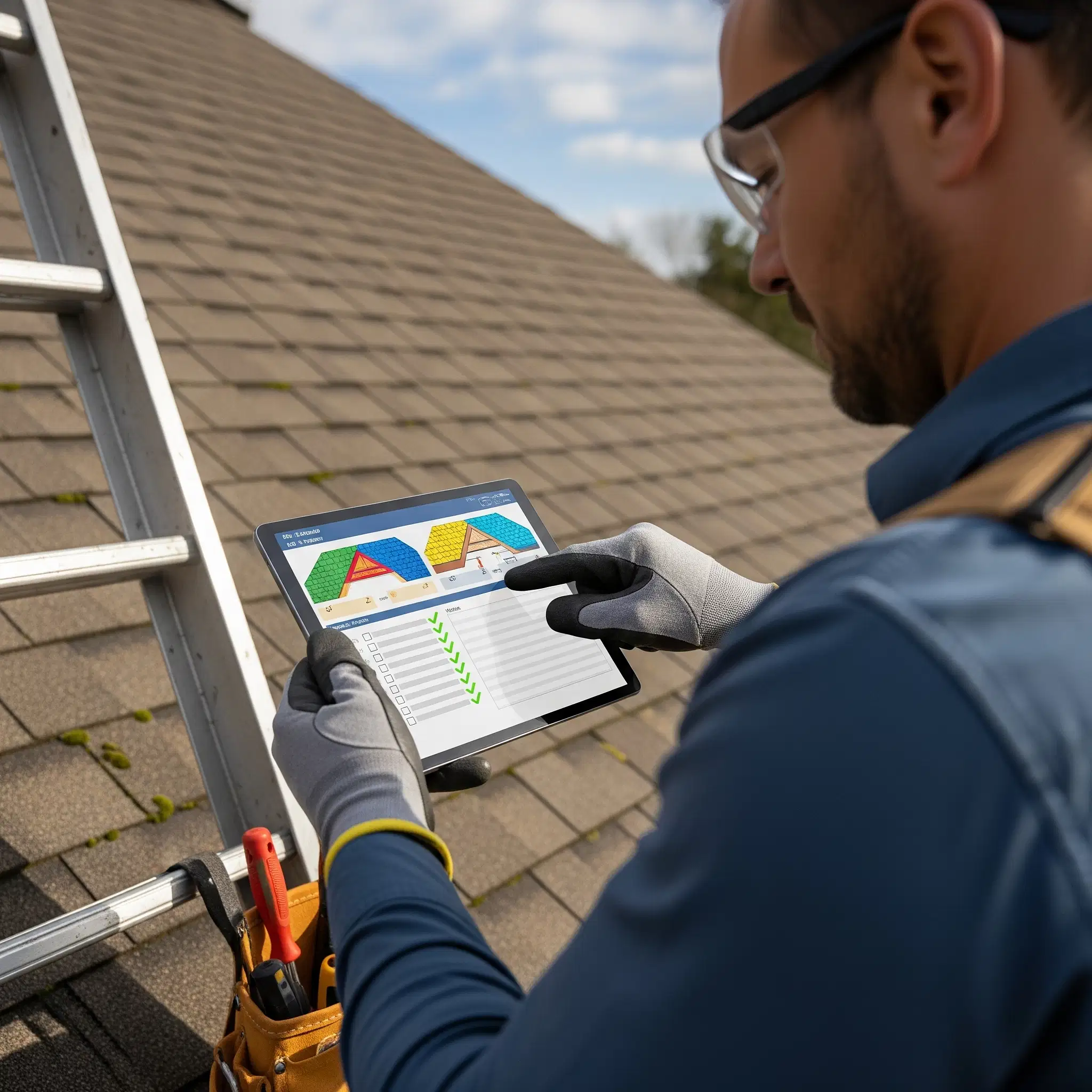
After the visit, the adjuster will create a "scope of work" detailing the damage they found and the amount they believe it will cost to repair. We will carefully review this document with you. It's not uncommon for initial estimates to miss certain items required by local building codes or necessary components of a complete roofing system. If we find discrepancies, we can file a supplement with the insurance company, providing evidence and justification for the additional work or materials needed. This advocacy is key to ensuring you receive fair compensation to cover the full cost of a quality restoration.
What If My Siding Was Damaged, Too?
High winds don't just target your roof; they can easily rip siding from your home, leaving it exposed. If you've experienced this, the claims process is similar. We will document the siding damage alongside the roof damage.
One common challenge with siding is matching the existing material. If your siding is older, the original product may be discontinued. In many cases, insurance policies will cover the cost of a full siding replacement on an entire elevation—or even the whole house—if a reasonable match cannot be found. This ensures your home maintains its aesthetic appeal and value, without looking like a patchwork quilt. We can help navigate this specific part of the claim to achieve the best possible outcome for your property.
Your Partner in Storm Recovery
Dealing with wind damage is never easy, but you don't have to go through it alone. By following these steps—prioritizing safety, documenting everything, and partnering with an experienced contractor—you can navigate the insurance claims process with confidence. A professional partner acts as your advocate, ensuring the assessment is thorough, the scope of work is accurate, and the final repairs are completed to the highest standard.
If your home has been affected by recent storms in the Cleveland area, don't wait for the damage to get worse. Contact Best Choice Roofing Cleveland today for a free, no-obligation inspection. We're here to help you with everything from storm damage restoration to complete roof and siding replacements, restoring your peace of mind and protecting your home for years to come. Schedule your inspection online or give us a call.